


phi999 | Exploring the Diverse World of Simulation Games
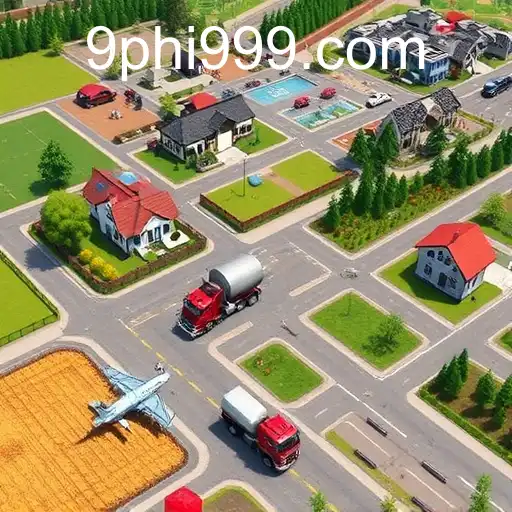
In the vibrant world of gaming, simulation games have carved out a unique niche that attracts a diverse range of players. These games offer an immersive experience that allows users to explore scenarios that mirror real-life activities, industries, or fantasies. At the heart of this category, players find themselves managing resources, building empires, or stepping into the shoes of characters in a meticulously crafted world. A fascinating blend of strategy, creativity, and storytelling, simulation games cater to both novices and seasoned gamers seeking a break from traditional gaming formats.
The term "simulation games" encompasses a wide array of subgenres. From city-building and business management to life simulation and vehicle piloting, these games are designed to simulate a particular activity or environment. Titles such as 'SimCity,' 'The Sims,' and 'Flight Simulator' have become household names, attracting millions of players worldwide. These games not only entertain but also educate by allowing players to experiment with economic principles, logistics, and human interactions, thereby enhancing their problem-solving skills.
What makes simulation games truly remarkable is their adaptability to incorporate cutting-edge technology. Developers constantly push the boundaries of realism with advanced graphics, physics engines, and artificial intelligence. Virtual reality (VR) and augmented reality (AR) are becoming increasingly popular within this genre, providing an unprecedented level of immersion and interaction for players.
The allure of simulation games lies in their flexibility and the player's ability to influence outcomes. Unlike many other game genres, simulators often provide an open-ended experience where the journey is as important as the destination. Players can customize their gameplay to reflect their personal style, making decisions that shape the in-game world in significant ways. This aspect of freedom and control is a significant draw for those who enjoy autonomous and creative gameplay experiences.
Moreover, simulation games often encourage a sense of community and collaboration. Many games feature online components where players can share creations, strategies, and experiences with others. This social aspect helps to build a loyal and engaged player base, continually driving innovation and new content within the genre.
Despite the variety and depth of simulation games available, accessibility remains a focus for developers. Games are designed to cater to different skill levels, ensuring that newcomers are not overwhelmed while seasoned players find challenging content to engage with. Whether a player wants to indulge in the thrills of a virtual roller coaster or manage a bustling metropolis, the world of simulation games offers endless possibilities to explore and enjoy.
